
Frequently Asked Questions
What is Lifeline Recovery Center?
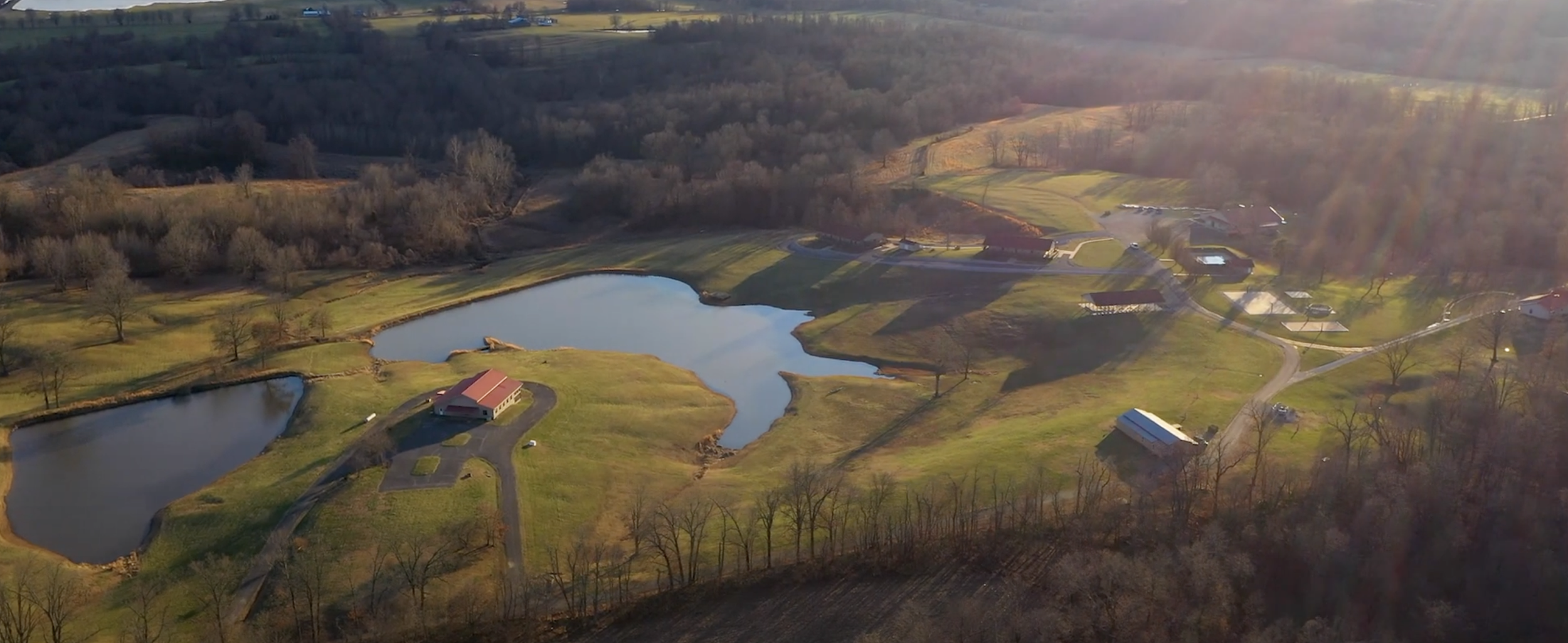
An accredited long-term residential substance abuse treatment facility with separate campuses for men and women.
How is it different from other residential rehab programs?
Because of volunteer and philanthropic support, costs for the nine-to-12-month program are lower than most 30-day programs. We believe the longer program helps our clients be more successful in their sobriety journey.
Our abstinence-based, Christ-centered approach includes individual, family and group counseling and relies on the 12-step program.
Our program requires clients to work, setting them up for a successful transition back into a productive life after completing treatment.
How do you determine your success?
More than 3,000 people have graduated from our program.
We are a valued partner with the area judicial systems for appropriate referral treatment.
We are nationally accredited by the Commission on Accreditation of Rehabilitation Facilities (CARF) and the American Society of Addiction Medicine, meaning our staff and program meet highest standards.
We have grown since starting in 2004 to two campuses today with more than 50 staff, including certified drug and alcohol counselors, and 75 volunteers. (See staff to read their roles and credentials).
We have 100 percent job placement for our clients.
What is required for admission?
Admit you have a problem. (This is the responsibility of the client, not that of a relative or friend.)
Commit to the program’s three phases of residential treatment, lasting nine to 12 months.
Comply with the center’s rules. These will involve phone calls, visits and transportation, which differ from phase to phase as clients earn privileges.
How much does it cost?
Lifeline bills your insurance (or helps you get Medicaid) to fully cover the cost of Phase I, the first 80-150 days, so you have no out-of-pocket expense during that time. During Phase II, you are required to get a full-time job (with transportation provided), and you pay $3,000 for room and board, as well as counseling services, during this period of 90 days or more. During Phase III, when you live independently in our sober living or transitional housing, your cost is $150 per week.
How do I enroll or help a loved one get admitted?
Fill out an on-line application, visit one of our campuses or call us at 270.443.4743.
What is the minimum age for treatment here?
18
What happens upon admission and throughout the three phases of treatment?
Counseling and assessments begin immediately, and a case manager is assigned to assist with individual needs, ranging from legal to medical issues. For full program information, click here (LINK TO PROGRAMS PAGE) .
What are room and board like?
Men and women live on separate campuses in dormitory-style facilities. Worship areas, classrooms, meeting space and recreational opportunities are available.
Phase I clients rotate in preparing food and cleaning up, giving them an opportunity to take responsibility and give back. Phase II clients eat with the group, unless they return too late from work and can then warm a plate. Phase III clients cook for themselves in independent living facilities.
Do I have to complete the entire program?
Yes, in order to receive a completion letter.
Will completion of the program count toward drug court or DUI classes?
Requires judge’s approval.
How long until I get to work?
80-150 days (phase II).
Will you help me find a job?
Yes.
Is it DOC recognized?
Yes.
Will you transport me to court?
Yes.
Do participants attend the same church every time?
No, we go to different churches throughout the community.
Are clients allowed to drink energy drinks?
No. Clients are not allowed to have anything that would affect their energy or any mind-altering substance.
Do you allow smoking at your facilities?
Yes. We have designated smoking areas at both facilities.
Do you offer transportation to and from work?
Yes.
May my family bring items?
Yes, we recommend dropping items off during normal business hours. For a full list of what to bring and what NOT to bring, click here.
How does the community support Lifeline?
75+ volunteers assist our staff annually.
Over 300 donors contribute approximately $1 million or more each year, helping keep the costs low. You can contribute here.
More than 35 employers partner with us to hire our clients regularly, and many companies refer their employees for services here.
The community keeps up with Lifeline news and needs by following its social media,
Attending annual events and reading the LifeLINE, our semi-annual newsletter.
Our volunteer board provides strategic direction and leadership.
Find the Help You Need Today.
-

Start Your Recovery
Take the first step toward a new life.
-
Help A Loved One
Learn how to support someone in need.
-

Support The Mission
Help us provide life-changing recovery.