About Lifeline
Since 2004, Lifeline Recovery Center has provided a Christ-centered path to recovery for men and women facing life-controlling addictions. Through long-term treatment, clinical care, workforce development, and community support, Lifeline helps individuals build a foundation for lasting change.
Our Story
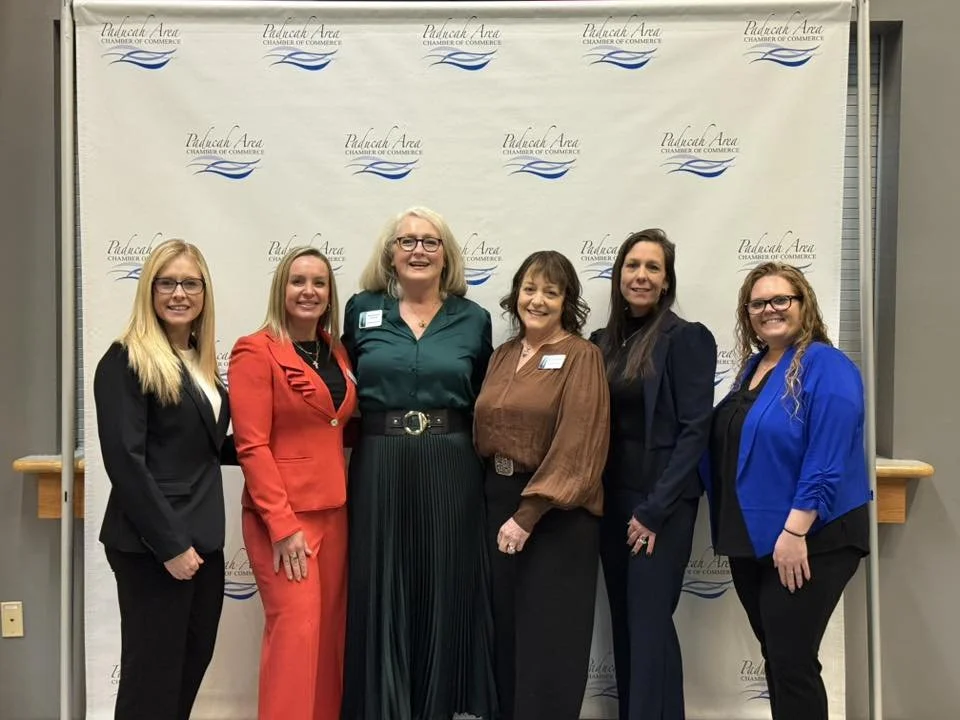
Lifeline Recovery Center began serving individuals in 2004 in Paducah, Kentucky, with a mission to provide hope, healing, and restoration for those struggling with addiction. Since 2013, Lifeline has served more than 2,500 individuals from Kentucky and surrounding states, with a 60%+ sobriety success rate after one year.
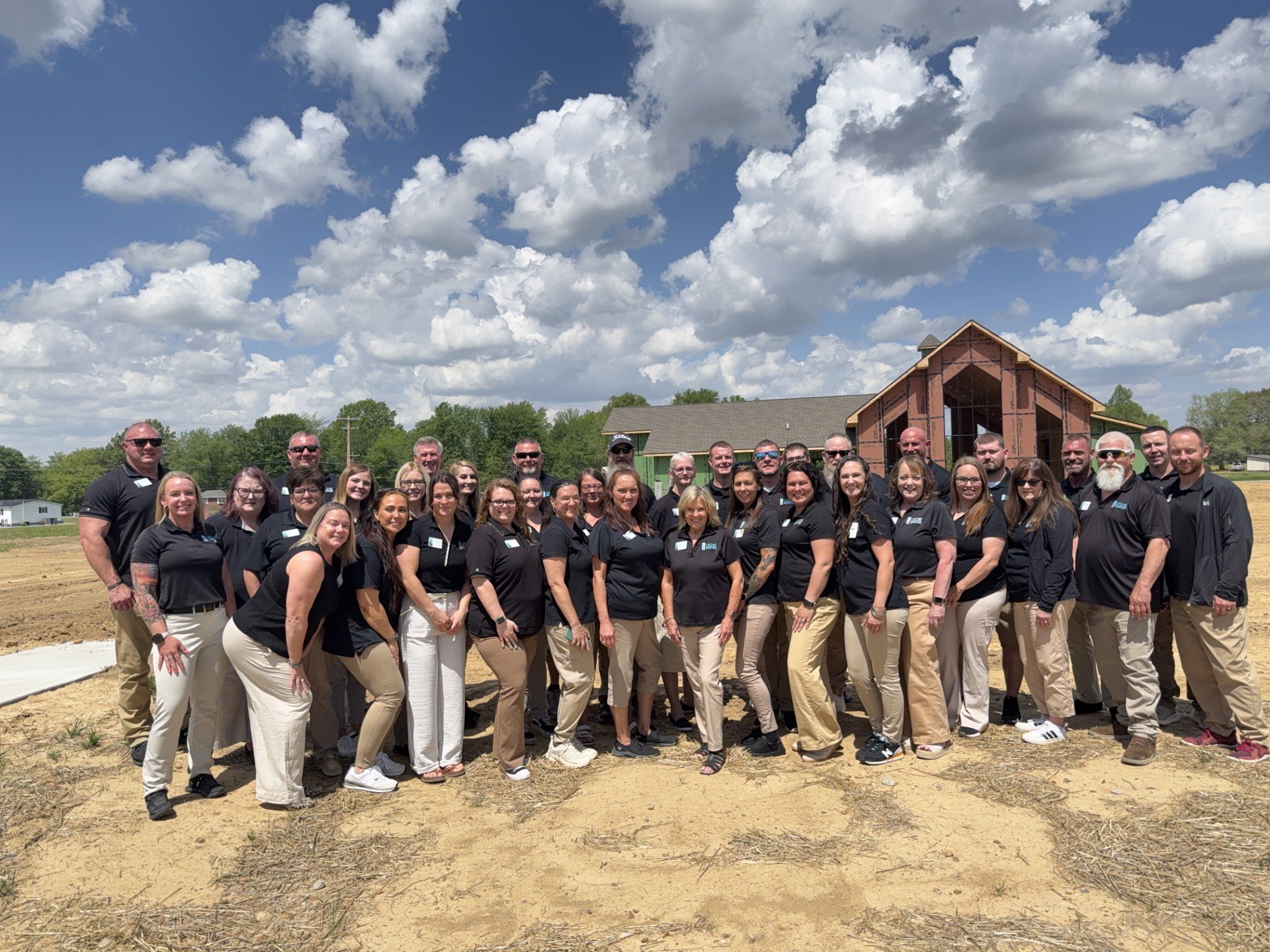
What started as a single recovery program has grown into an accredited, long-term residential treatment center with separate campuses for men and women, more than 50 staff members, over 75 volunteers, and a growing network of community partners.
A Longer-Term Approach to Recovery
Lifeline believes lasting recovery takes time. Unlike many short-term treatment programs, Lifeline offers a structured, long-term residential program that typically lasts 9–12 months. This approach allows clients to address not only addiction, but also the deeper issues that often contribute to it—such as trauma, broken relationships, unemployment, and instability. Clients move through a three-phase model that combines:
Individual, group, and family counseling
Bible study and Christ-centered support
Workforce development and employment
Volunteer service and community involvement
Peer support, accountability, and aftercare
Because of generous philanthropic support, Lifeline’s long-term program is often more affordable than many short-term treatment options.
Our History
Members of the faith community in Paducah, Ky., organized in 2004 to develop what has become Lifeline Recovery Center to help families suffering the effects of drug and alcohol addiction.
-
Members of the faith community united in their desire to help men who struggled with addiction. They were concerned about the physical and spiritual devastation of families hurt by addiction. In 2002, they rented a house on Kentucky Avenue for $1 per year for five years. Their faith-based classes, such as Anger Management and Stepping into Freedom, grew until they had a full house every week.
-
With a vision of a Christ-centered residential rehabilitation facility for men with addiction, the founders looked at an old homeless shelter at 2806 Morgan Lane. They had only $200 to buy the $90,000 property. They believed men who committed to Christian values could be freed of addiction. They shared their vision on local television, in a story broadcast by the NBC affiliate WPSD-TV, and felt their prayers had been answered when a $20,000 donation arrived. That donation was the down payment for the purchase of the property.
-
Nine women, led by former executive director Terrye Peeler, wanted to develop a program for women similar to Lifeline’s service for men. They met weekly, prayed and gathered information. When the men’s program moved, the women’s program began classes in the Kentucky Avenue house, as well as in the McCracken County Jail. Later that year, Ladies Living Free moved to Bloom Avenue.
-
The two ministries merged, making Ladies Living Free a division of Paducah Lifeline (now Lifeline Recovery Center).
-
On May 1, Ladies Living Free became a reality, taking their first group of women into the residential treatment facility.
-
A transitional house was built for Ladies Living Free.
-
Lifeline and Ladies Living Free moved toward full-time staffing.
-
Parameters were set to determine the success rate of Lifeline. Using the criteria of having been clean and free of drugs and alcohol for one year after graduating Lifeline, it was determined that the ministry had a 62 percent success rate.
-
The board approved building a first phase dorm at the men’s location.
-
The new 2,400-square-foot men’s dormitory opened, providing a treatment facility for 22 men. The $250,000 facility, built by A&K Construction, was funded by donations. In addition, Lifeline broke ground on a second men’s dormitory. To strengthen and unify the mission of both the men’s and women’s programs, they are renamed, so that Paducah Lifeline Ministries and Ladies Living Free are now known collectively as Lifeline Recovery Center.
-
Lifeline’s tireless pursuit of excellence resulted in several noteworthy accomplishments including (first-ever) AODE licensure and CARF accreditation. Furthermore, Lifeline celebrated a ribbon-cutting for a new men’s dormitory and also recognized the leadership and philanthropic support of Terrye Peeler (past executive director) and Kenny Hunt (board member) by naming the newest men’s dormitories (2020 and 2021), Peeler and Hunt Hall.
-
Lifeline built on (2021) AODE licensure and CARF accreditation by receiving 3-year, 3.5 and 3.1 ASAM accreditation status for both campuses. This momentum positioned Lifeline to receive Medicaid reimbursement for the first time in program history helping to diversify Lifeline’s revenue model. Furthermore, Lifeline courageously purchased a new 46-acre property which now serves as the new men’s campus.
-
2023 was a year of investing in Lifeline employees. A first in Lifeline’s history, the board unanimously approved creating access to a benefits package for all employees. In addition, a full-time registered nurse was hired to support clients on campus and a chief financial officer was hired (another first). The women’s campus was relocated to Morgan Lane where male clients were traditionally located. The community continued to demonstrate their spiritual support and philanthropic support of Lifeline as evidenced by two sold-out events (The Annual Banquet and The Annual Golf Outing). Board, staff and volunteers rejoiced when they witnessed the fruits of the labor with the largest group of Lifeline graduates ever- 56!
-
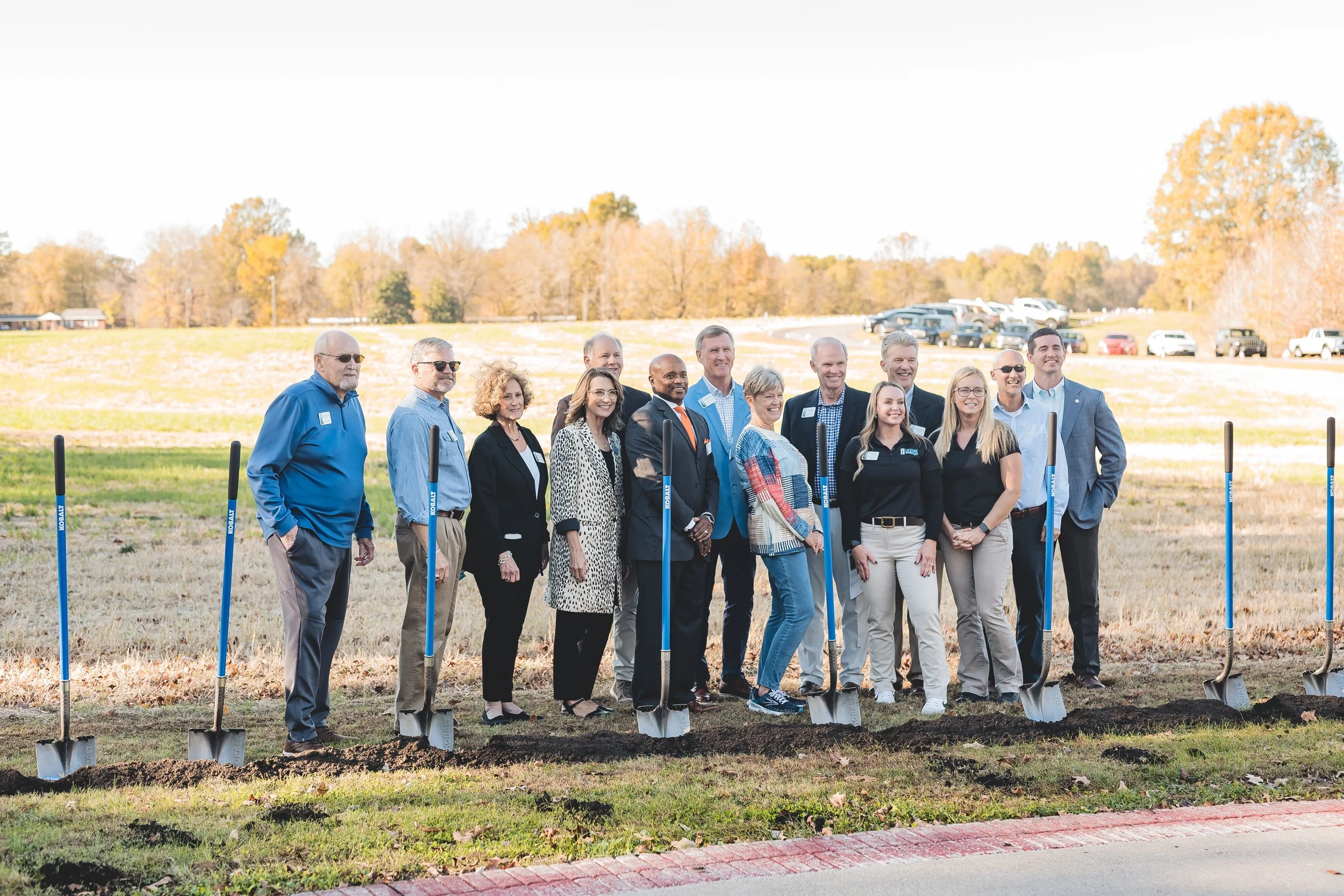
2025 marked another significant year of growth and momentum for Lifeline Recovery Center. The organization celebrated its largest graduating class in Lifeline history, with 60 individuals successfully completing the program and taking meaningful steps toward lasting recovery. Lifeline also reached an important milestone in expanding services for women as construction officially began on the new women’s campus, representing a major investment in future capacity and continued support for individuals seeking hope and healing.
Accreditation & Success
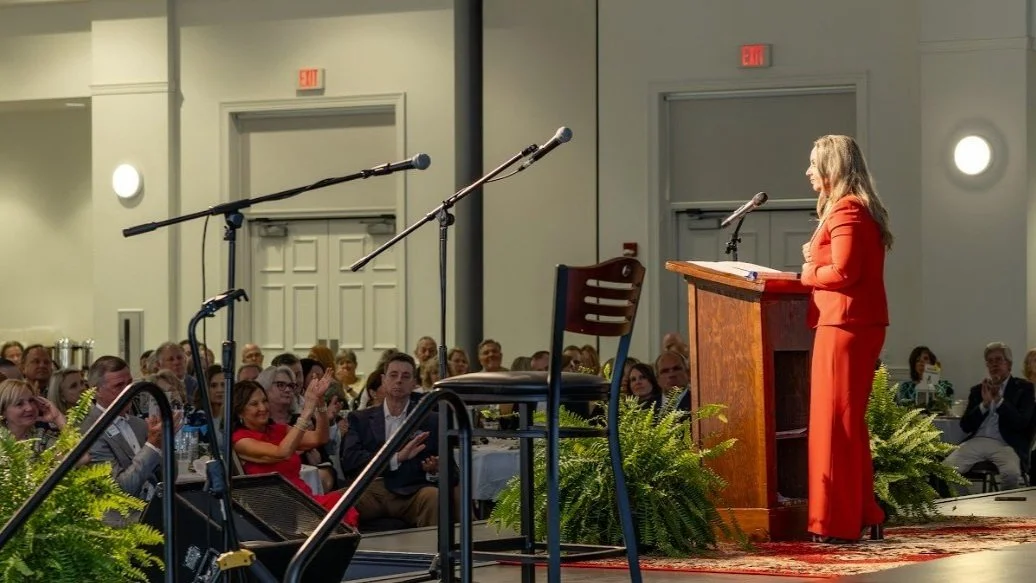
Lifeline is nationally accredited by both the Commission on Accreditation of Rehabilitation Facilities (CARF) and the American Society of Addiction Medicine (ASAM), reflecting a commitment to quality care and high standards.
Lifeline is also:
A trusted referral partner for local courts and judicial systems
Known for long-term recovery success
Committed to helping clients achieve meaningful employment and independence
Proud to maintain 100% job placement for clients in the workforce phase of the program
Who We Serve
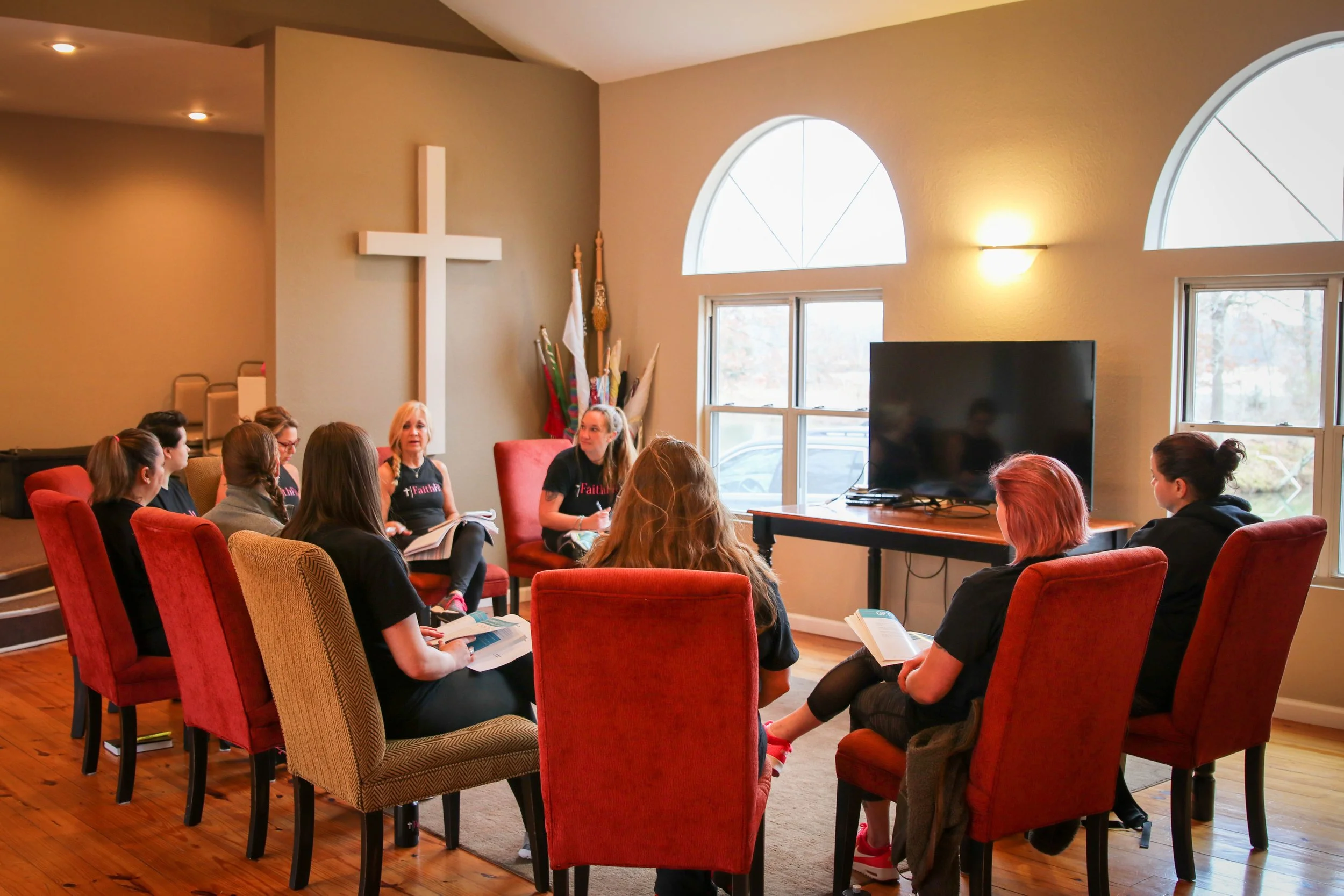
Lifeline serves adult men and women ages 18 and older who are ready to commit to recovery and participate in a structured residential program.
Clients come from across Western Kentucky and surrounding states seeking support for life-controlling addictions and the challenges that often come with them.
Admission requirements include:
A willingness to acknowledge the need for help
A commitment to the full three-phase program
A willingness to comply with program expectations and campus guidelines
Ready to Learn More?